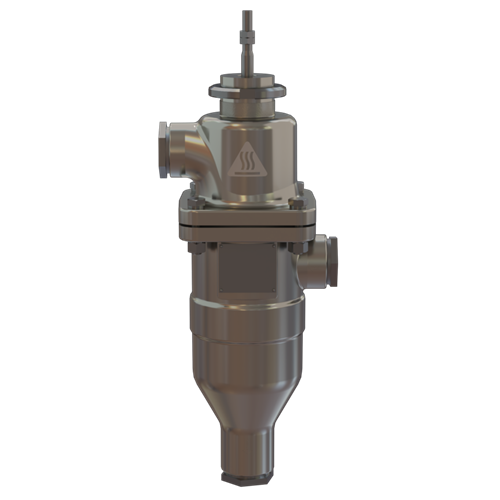
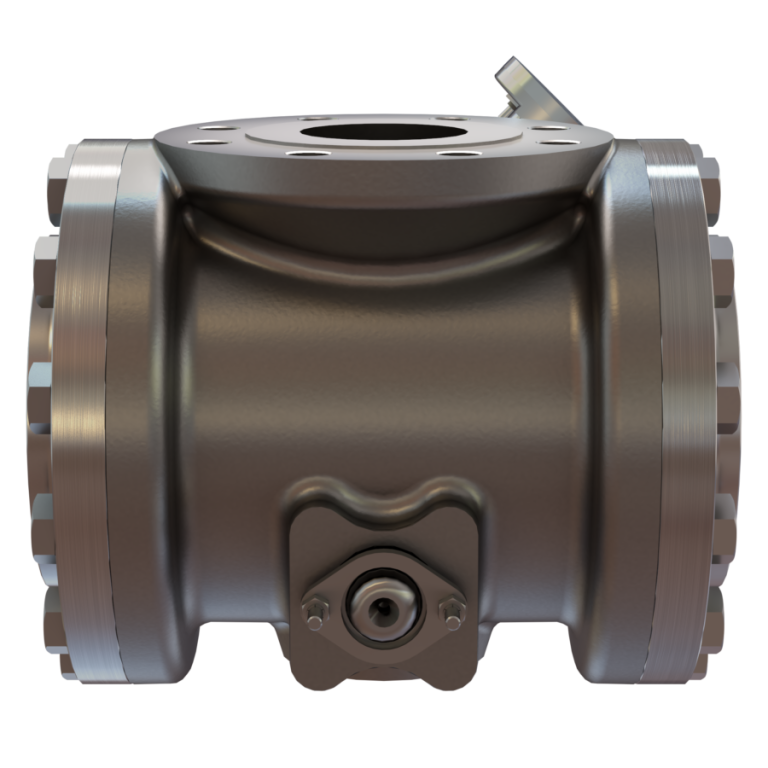
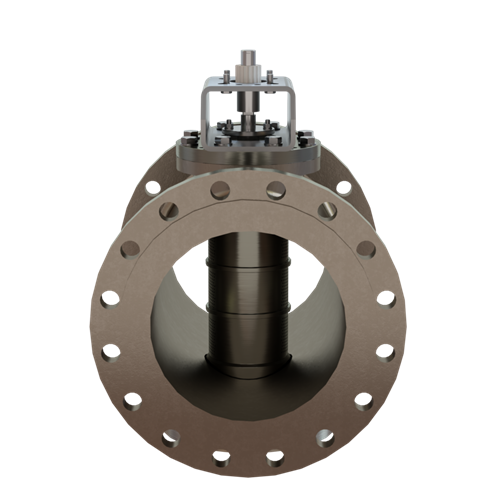
Overview
Steam sparging nozzles for slurry tank heating in ethanol plants may be the current industry standard but also has its disadvantages. High steam temperatures (up to 350°F) can damage starch and enzymes, uneven heat distribution from bottom-only steam injection leaves enzymes at suboptimal conditions, poor steam mixing causes cavitation, and uncondensed steam escapes, wasting energy and increasing costs.
Direct Steam Injection (DSI) heaters offer a highly effective slurry tank solution over sparging:
- Ensures higher quality starch conversion by preventing hot spots, optimizing enzyme utilization, and achieving consistent discharge temperature
- Maintains accurate temperature control, minimizing variations across the tank for optimized enzyme retention and starch conversion
- Reduces maintenance by containing steam injection externally, preventing damage to the slurry tank and spargers
- Saves energy by condensing all steam if used in the Hydroheater, minimizing steam loss and lowering boiler fuel usage
- Facilitates particle size reduction through added shear that breaks up “dough bars” and exposes more starch surface area and improving starch conversion